That dead car in your driveway can feel like a snowbank in April. It sits there, takes up space, and keeps costing you peace of mind.
We hear the same stories from Calgary drivers all the time. Many people believe a junkyard will lowball them, charge towing fees, or take only a stripped shell. Those are common junkyard myths, and they stop good people from making a smart move.
Quick Answer
The truth is this: a reputable scrap yard can pay fair money, offer free towing, and handle pickup fast, even for non-running vehicles. Calgary Auto Salvage says it buys vehicles in many conditions, pays cash on pickup, includes free towing, and serves Calgary and nearby communities.
Here are the truths behind the biggest myths:
- myth 1 – your vehicle is worth more than scrap metal alone
- myth 2 – missing car parts do not always kill the deal
- myth 3 – free towing does not mean hidden towing fees
- myth 4 – junkyards are part of eco-friendly recycling
- myth 5 – selling your car does not need to be stressful
- myth 6 – old vehicles can still hold valuable parts
- myth 7 – you do not need to chase private sales for the best deal
Myth 1: A Junkyard Only Pays Scrap
This is the big myth.
A junk car is not priced on weight alone. A buyer may look at scrap metal, the condition of the body, working parts, the make, the model, and how much labour the pickup will take. Our pricing ranges from $200 to $10,000 and depends on your car’s condition, weight, completeness, and make and model.
That matters to car owners in Calgary.
A common myth says every old car goes straight onto a scale and gets one flat number. That is a misconception. The offer can change based on the demand for specific makes and models, resale potential, and usable parts inside the vehicle.
We tell people to think of it like this: a winter-beaten truck with a sound engine and solid catalytic converter is not the same as a gutted shell. A scrap yard sees parts and materials, not just a heap of steel.
Myth 2: Missing Auto Parts Mean No Deal
This one scares people off.
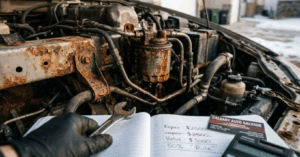
Many junkyards still buy a junk car with damage, rust, or missing auto parts. Here at Calgary Auto Salvage, we buy vehicles in nearly any condition, though missing pieces can reduce the quote. It also notes that some fire or water-damaged vehicles may be refused if raw materials are no longer usable.
That is a fair price model.
A buyer checks what the car still has, what the car needs, and what value for their vehicles remains. Some old vehicles have valuable parts. Some have scrap value only. Some still hold usable parts that support the circular economy through recycling industries.
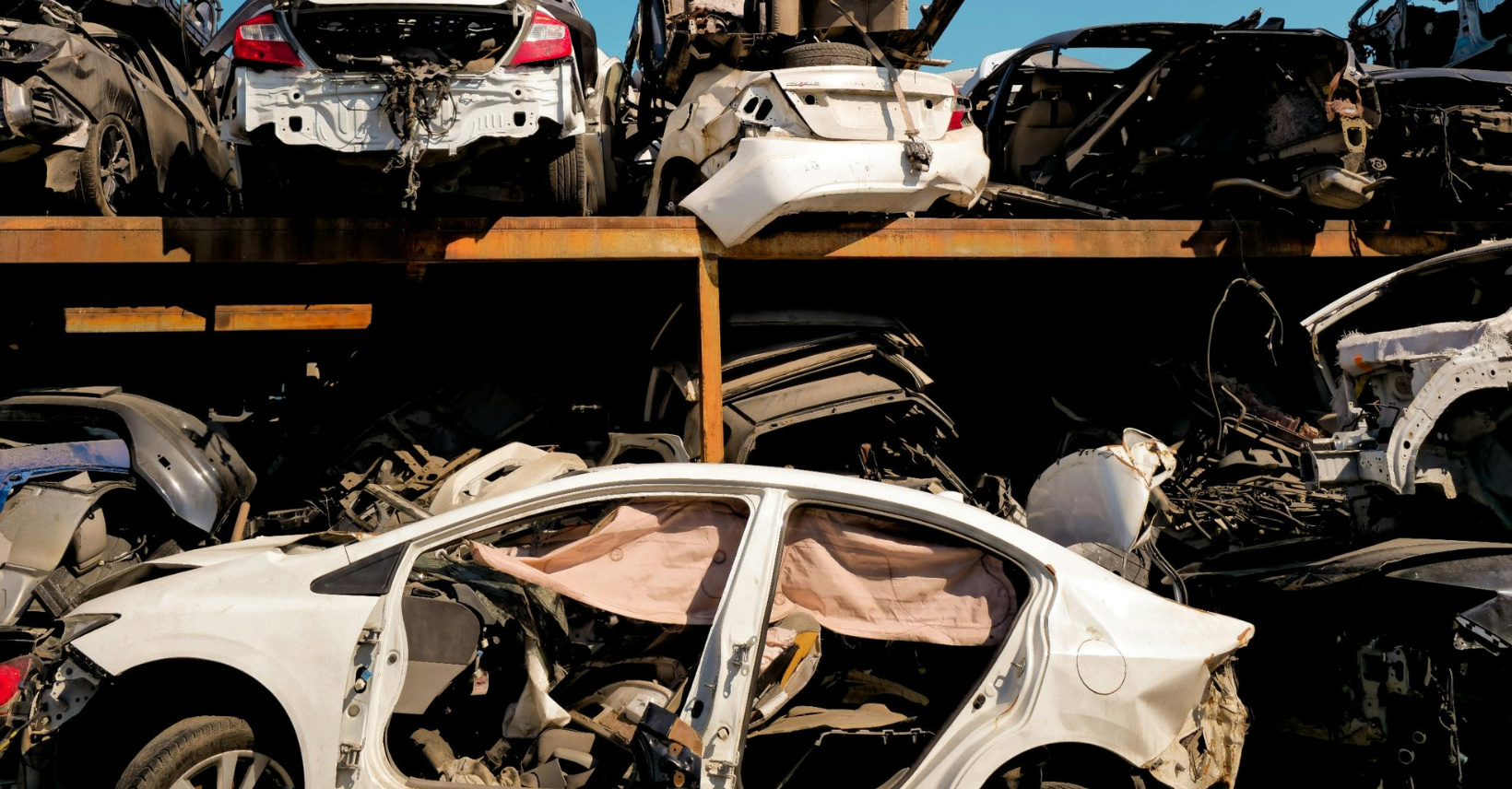
This is also where many misconceptions start. People hear “junkyard” and picture a place that only wants full cars for used auto parts. In truth, reputable junkyards and any solid recycler sort vehicles for metal, fluids like oil, batteries, tyres, and other recyclable materials.
Myth 3: Free Towing Always Hides Towing Fees
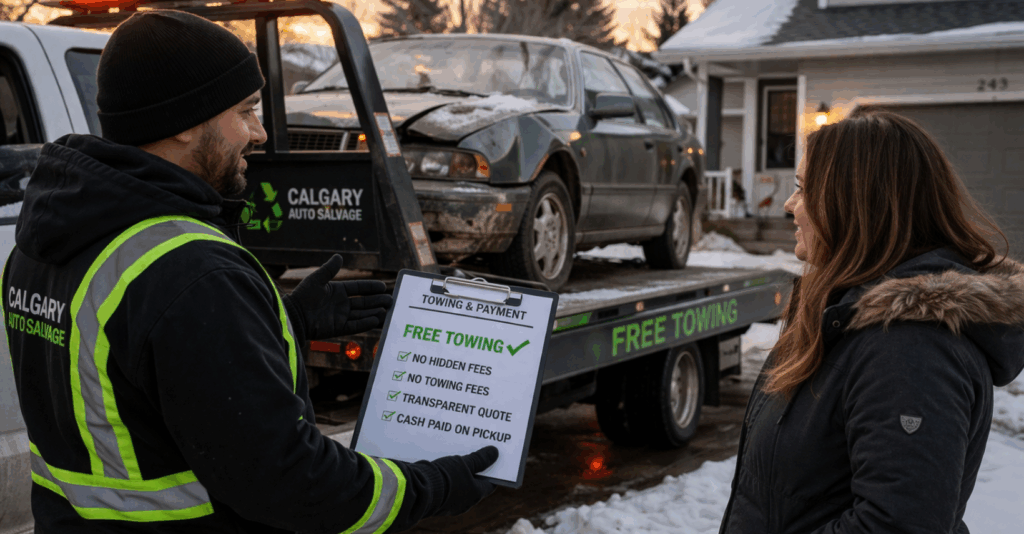
Calgarians hate surprise charges.
A solid buyer should offer free towing and say so up front. At Calgary Auto Salvage, towing is free, the quote is transparent, and there are no hidden fees or charges.
That matters when you sell your vehicle.
A lowball offer can look decent at first. Then the driver shows up, adds towing fees, and the number drops. That is why we tell people to ask clear questions during the inspection call:
- Do you offer free towing?
- Is payment made at pickup?
- Do I need a bill of sale?
- Will the quote change at pickup?
- Do you buy SUVs, vans, and cars that do not run?
If a company cannot answer those questions in plain words, walk away.
Myth 4: Junkyards Are Dirty, Wasteful Places
This myth is old.
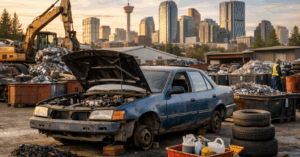
Modern recycling can be one of the most eco-friendly ways to deal with an unwanted vehicle. We at Calgary Auto Salvage pride ourselves on being an auto recycler focused on vehicle recycling, so vehicles are removed for recycling rather than for parts sales.
That matters because cars carry hazardous materials.
A proper automotive recycler removes fluids like oil, coolant, fuel, and battery acid. That process can protect soil and support eco-friendly practices across the local recycling chain. It also supports reducing waste by sending metal and other recyclable materials back into use.
Your car still has a job to do.
Even when the body is shot, the metal, glass, and some components can re-enter the market or be processed in safer ways than letting an old vehicle rot in a lane, alley, or yard.
Myth 5: Selling Your Car to a Scrap Yard Is Hard
This may be the easiest myth to debunk.
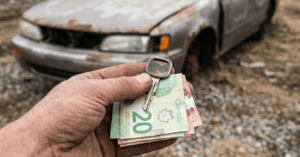
Selling your car should be quick when you work with a reputable local buyer. In Calgary Auto Salvage, the process is simple: get a quote, book a pickup, tow the vehicle for free, and get cash instantly. The company also says same-day pickup is often available, and the owner should be present with ID and a bill of sale.
That is why we push people to skip the hassle of private sales when the vehicle is near the end.
No strangers at your house. No stalled e-transfers. No weekend wasted on messages that go nowhere. Just get a quote, set the pickup, and move on with your day.
For readers who want the next step, we would naturally point them to our main quote page, our guide to Best Junk Car Removal in Calgary, and our article on where to sell broken-down cars. Those pages match this audience and expand on pickup, pricing, and junk car removal in plain language.
Learn The Truth Before You Call Any Junkyard
The best move is not to fear the scrap process.
It is to debunk the myth, ask smart questions, and car confidently toward a buyer that treats you right.
At Calgary Auto Salvage, we know that old vehicles can turn from eyesore to top dollar with one phone call. If your car without a future is still taking up room, it may be time to turn that space back into something useful, and put cash in your pocket at the same time.